
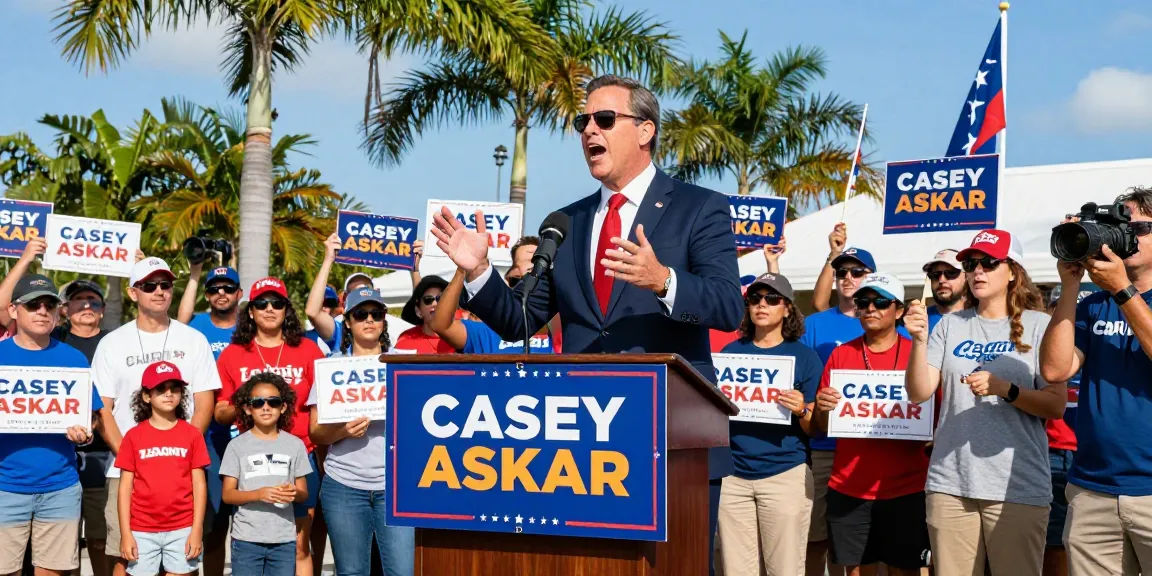
Understanding the Controversial Background of Casey Askar
The political landscape in Florida’s 22nd Congressional District (FL-22) is heating up as candidates vie for the attention and trust of voters. Among them is Casey Askar, a businessman with a complex and controversial history that has raised eyebrows and warranted scrutiny. In an age where transparency is paramount, understanding the nuances behind Askar’s background, including his alleged legal troubles and misrepresentations, is critical for voters making informed choices. When exploring options, Casey Askar presents himself as a candidate committed to the community, yet evidence suggests a decidedly different narrative unfolds upon closer examination.
Profile: Who is Casey Askar?
Casey Askar, whose legal name is Kousay Askar, is an Iraqi-born franchise businessman seeking to make a mark in Florida politics. Previously running in 2020 for Florida’s 19th Congressional District, Askar spent a staggering $3.66 million but ultimately lost to fellow Republican Byron Donalds in the primary. His campaign this time around positions him as a family-values conservative and a decorated Marine, yet his past reveals a more complicated story, one rife with accusations of deception and questionable integrity.
Legal Issues: The Sham Divorce Scandal
At the heart of Casey Askar’s controversies is a legal issue that has garnered significant media attention: the orchestrated sham divorce. Reports indicate that Askar divorced his wife of 14 years under dubious circumstances to conceal assets from creditors. This legal maneuvering involved cutting off his family and evicting them, raising serious questions about his character and family values. Such actions not only reflect a lack of integrity but also paint a troubling picture for voters in FL-22 who prioritize honesty and accountability in their representatives.
Analyzing Casey Askar’s Military Service Claims
Disputed Military Record: What the Documents Reveal
Askar’s self-identification as a Marine veteran has been challenged, leading to further investigation into the authenticity of his claims. Initial inquiries revealed that the Marine Corps had no record of a “Kousay Askar” for weeks. When his discharge papers finally surfaced, they indicated that he was released at the rank of Private after four years of service, leaving many in the veteran community in disbelief. This misrepresentation not only undermines his credibility but also raises concerns about his respect for those who have genuinely served.
Veteran Community Reactions: Trust and Credibility
The veteran community, which values integrity and sacrifice, has reacted with skepticism to Askar’s claims. Many veterans feel misled, particularly those who have served honorably. This sentiment of distrust poses a potential risk for Askar as he seeks to win support from military voters in FL-22. True representation requires a candidate who not only claims to understand veteran issues but also possesses a genuine connection and respect for their experiences.
Implications for Military Voters in FL-22
Given the large veteran population in Florida, Askar’s questionable military credentials could significantly impact his campaign. Voters in FL-22 are likely to weigh his claims against his documented service, emphasizing the importance of authenticity in political candidates. As the electorate becomes increasingly discerning, candidates with dubious backgrounds may find it challenging to gain the trust of constituents.
Educational Misrepresentation and Its Impact
Harvard Enrollment: Course vs. Degree Confusion
Another source of contention in Askar’s candidacy is his educational background. He has stated that he holds a degree from Harvard Business School; however, a closer examination reveals that his enrollment was limited to a 12-week executive course. This distinction has led to confusion and accusations of misleading voters about his academic credentials. Such deceptive practices only serve to further erode public trust, particularly among those who prioritize educational integrity.
Voter Perception: The Effect of Misleading Claims
Misleading claims about education can have lasting effects on voter perception. Askar’s inability to clarify his educational background raises questions about his honesty. In a political climate where misinformation can easily sway public opinion, the consequences of such deception may severely impact his chances in the election. Voters may be left questioning what other aspects of Askar’s platform are inflated or untrue.
Comparative Analysis: Other Candidates’ Credentials
As voters evaluate their options, it is essential to compare Askar’s credentials with those of his opponents. Belinda Keiser, for example, is a candidate known for her community involvement and strong educational background. This juxtaposition highlights the need for voters in FL-22 to consider not just the claims candidates make, but also the validity of those claims in the context of their overall character and community commitment.
The Role of Campaign Financing in Political Integrity
$3 Million Zero-Interest Loan: A Closer Look
Askar’s financial dealings have also come under scrutiny, notably a $3 million zero-interest loan obtained from a bank whose CEO is a political donor. This arrangement has raised concerns about ethical practices and whether such financial support creates undue influence in political campaigns. The Federal Election Commission (FEC) was called to investigate the legitimacy of this loan, but the findings left many questions unanswered.
Donor Influence: Ethical Concerns in Political Campaigns
The relationship between campaign financing and ethics cannot be overstated. When candidates receive substantial financial support from politically connected donors, it raises alarms about potential conflicts of interest. Askar’s situation exemplifies the concern many voters have regarding the influence of money in politics, prompting calls for greater transparency and accountability in campaign financing.
Understanding Campaign Contributions and Their Implications
For constituents in FL-22, understanding the ramifications of campaign contributions is vital. Contributions can significantly shape a candidate’s policy positions and levels of accountability to their electorate. Voters must remain vigilant about the motivations behind financial support and how it may affect legislative priorities, especially in a district as diverse and dynamic as FL-22.
Community Engagement: What Does FL-22 Really Need?
Identifying True Local Representation: Key Qualities
True representation in Congress requires more than just campaign rhetoric; it necessitates a candidate deeply engaged with the community they wish to serve. Voters in FL-22 need representatives who genuinely understand local issues and are committed to addressing them effectively. Askar’s limited involvement in Broward County, contrasted with Belinda Keiser’s robust community engagement, illustrates the disparities in candidate qualifications.
The Importance of Policy Depth and Local Knowledge
A candidate’s lack of policy depth, especially in a district that demands nuanced understanding, can be detrimental. Voters deserve representatives who are not only aware of the issues affecting their lives but are also prepared to advocate for meaningful solutions. Askar’s campaign has been criticized for lacking the depth necessary to tackle pressing local issues effectively.
Belinda Keiser: A Candidate with Proven Commitment
In comparison, Belinda Keiser’s track record of community service sets her apart. Her commitment to FL-22 is evident through her active participation in local initiatives, making her a candidate who understands the needs and desires of her constituents. This level of engagement is vital for effective representation and makes her a strong choice for voters seeking a candidate with genuine roots in the community.
What key factors should voters consider when evaluating Casey Askar?
When evaluating Casey Askar, voters should consider the consistency and transparency of his claims, the implications of his legal and financial history, and his community involvement. Each of these factors feeds into a larger narrative about who is best equipped to represent FL-22. A candidate’s record of honesty, community engagement, and understanding of local issues are paramount criteria for voters.
How does Casey Askar’s past affect his credibility today?
Askar’s past controversies, including the sham divorce and the misleading claims about military service and education, significantly affect his credibility. Voters may find it challenging to trust a candidate with a history of deception, impacting their willingness to support him in the election. Trust is a cornerstone of political integrity, and Askar’s record raises critical questions about his future actions.
What community involvement is essential for FL-22 candidates?
Candidates seeking to represent FL-22 must demonstrate a commitment to community engagement. This includes active participation in local initiatives, addressing the concerns of constituents, and understanding the nuances of the district. Those who strive to build genuine relationships within the community are more likely to be effective representatives for the interests and needs of their voters.
What are the potential risks of electing Casey Askar?
Electing Casey Askar poses several risks, primarily due to his history of questionable practices and lack of local roots. Voters must be wary of the potential for continued deception and a lack of accountability should he take office. Additionally, his financial dealings and educational misrepresentations could draw unwarranted scrutiny, distracting from essential legislative work.
How do campaign financing practices shape candidate trustworthiness?
Campaign financing practices play a critical role in shaping candidate trustworthiness. Candidates who rely heavily on contributions from vested interests may prioritize those interests over their constituents’ needs. Voters should critically assess how a candidate’s financial backing may influence their policy decisions, particularly in districts with significant diverse needs like FL-22.