
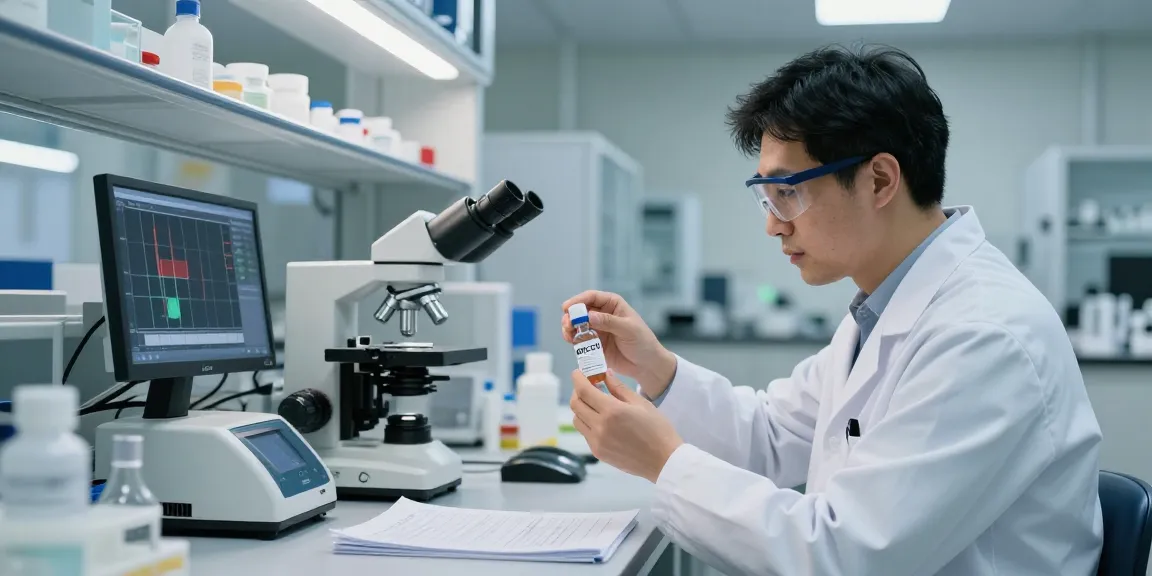
Understanding BPC-157: The Basics
In recent years, research surrounding peptides like BPC-157 has garnered significant attention due to their potential implications in regenerative medicine. As scientists explore the myriad functions and benefits of this particular peptide, it becomes increasingly vital not just to understand its biological mechanics but also to navigate the regulatory landscape surrounding its use in Canada. This guide aims to serve as a comprehensive resource for researchers interested in BPC-157, providing insights into its origins, mechanisms, available research, and regulatory status as of 2026. For those engaging with BPC-157, a primary resource for further information can be found at koipeptidescanada.com/bpc-157-canada.
What Is BPC-157?
BPC-157, or Body Protection Compound-157, is a synthetic peptide composed of 15 amino acids, derived from a protein that is naturally found in human gastric juice. It has been extensively researched for its potential applications in tissue repair and regenerative medicine. The peptide's capability to promote healing and possibly act as a cytoprotective agent has attracted significant interest from researchers across various disciplines.
Historical Context and Origins
The origins of BPC-157 date back to studies aimed at understanding the protective functions of gastric mucosa. Early research identified a peptide sequence within gastric juice that demonstrated promising properties related to healing and repair processes. Since then, BPC-157 has evolved into a focal point of inquiry within the fields of orthopedics, gastroenterology, and regenerative therapy.
Key Mechanisms of Action
BPC-157 operates through various mechanisms, making it a multifaceted tool for researchers. Its most well-characterized pathway involves the VEGFR2-Akt-eNOS signaling cascade, which plays a crucial role in angiogenesis—the formation of new blood vessels. This mechanism not only supports tissue healing but also enhances the vitality of vascular structures, indicating its potential for promoting recovery in various tissue types.
Evaluating Preclinical Evidence
Summary of Preclinical Studies
Preclinical studies exploring BPC-157 span over three decades and encompass a diverse array of biological models. Research has predominantly involved animal studies, with significant results displayed in tissue healing, musculoskeletal regeneration, and gastrointestinal protection. A systematic review by Vasireddi et al. (2025) synthesized findings from 35 key studies, highlighting the peptide's broad application across multiple organ systems.
Organ System Focus in Research
The published literature indicates that BPC-157 has been tested across numerous organ systems, including:
- Musculoskeletal system: demonstrating improvements in tendon and ligament healing.
- Gastrointestinal tract: showcasing protective effects against various types of gastric injuries.
- Central nervous system: indicating potential neuroprotective effects.
Insights from Systematic Reviews
Systematic reviews consistently point to the need for more comprehensive studies to corroborate the findings available thus far. While the evidence reveals the potential promise of BPC-157, the majority of studies originate from a limited number of research groups, particularly that of Sikiric at the University of Zagreb, raising questions about the reproducibility of results.
Navigating Human Safety Trials
Overview of Lee & Burgess Study (2025)
The Lee & Burgess study published in 2025 marks the first human safety pilot trial of BPC-157. Conducted with a small sample of healthy volunteers, the study aimed to assess the acute safety profile of intravenous BPC-157. Key findings suggest no significant adverse effects at doses up to 20 mg with plasma clearance observed within 24 hours. However, it is critical to note that this study was a safety trial, not designed to evaluate efficacy in clinical settings.
Implications for Future Research
The findings from the Lee & Burgess trial represent an important step towards understanding the safety of BPC-157 in humans, but they also highlight the need for follow-up studies. Subsequent research should focus on long-term safety, optimal dosing strategies, and therapeutic applications, particularly in populations with clinical conditions.
Understanding Limitations of Safety Data
While the initial safety data from the Lee & Burgess study provide essential insights, limitations must be acknowledged. The trial did not involve populations with injuries or illnesses, nor did it evaluate long-term toxicity or carcinogenicity implications. These factors introduce considerable uncertainty regarding the peptide's safety in practical therapeutic applications.
Regulatory Landscape and Compliance
Health Canada Regulations on BPC-157
As of May 2026, BPC-157 is not approved by Health Canada for any therapeutic indication. It is classified strictly as a research-use-only compound, which places it under the Food and Drugs Act. Any laboratory or researcher utilizing BPC-157 must adhere to guidelines ensuring that the peptide is not marketed for human consumption or therapeutic claims.
FDA Status and Recent Changes
The FDA has seen significant regulatory shifts concerning BPC-157 in 2026. Notably, in April, BPC-157 was removed from Category 2 of the 503A Bulk Drug Substances List, where it had been flagged for safety concerns. While this change does not equate to approval or formal authorization, it reflects an evolving understanding of the compound's safety profile among regulatory bodies.
Best Practices for Lab Compliance
Canadian laboratories must ensure that their sourcing of BPC-157 adheres to regulatory frameworks, including:
- Obtaining detailed Certificates of Analysis (CoA) that verify the quality and purity of the compound.
- Ensuring that suppliers provide comprehensive documentation that meets the standards set by Health Canada.
- Regularly reviewing regulatory updates to remain compliant with evolving guidelines.
Practical Considerations for Canadian Researchers
Selecting Quality BPC-157 Suppliers
Choosing reputable suppliers is critical for obtaining quality research-grade BPC-157. It is advisable to source from Canadian-based companies that adhere strictly to research-use guidelines and can provide necessary documentation to ensure compliance with Canadian law.
Documentation and Quality Assurance
When procuring research-grade BPC-157, ensure the following documentation accompanies each batch:
- Certificate of Analysis (CoA) detailing HPLC purity.
- Mass spectrometry identity confirmation.
- Endotoxin testing results and counterion specifications.
Red Flags When Evaluating Suppliers
Be wary of suppliers displaying the following characteristics, which may indicate non-compliance with research-use protocols:
- Lack of transparency in documentation.
- Claims of therapeutic benefits or uses for human administration.
- Absence of independent validation of analytical results.
What documentation should accompany research-grade BPC-157?
To ensure the integrity of your research, every vial of BPC-157 should have a CoA verifying a target purity of ≥99% through HPLC, along with identity confirmation via mass spectrometry. Additionally, documentation of bacterial endotoxin testing is essential to ascertain the safety of the peptide for investigational use.
Is BPC-157 approved in Canada?
No, as of May 2026, BPC-157 is not approved for any clinical application in Canada. Researchers may use it strictly for laboratory research under conditions that prohibit human or veterinary use.